
Photo by Navy Medicine on Unsplash
MERCOSUR offers shared rules for MedTech and IVDs, but does this really simplify market entry? Discover which regulatory requirements can be coordinated across countries and where local differences can still delay your launch.
MERCOSUR Healthcare Scale Supports Regional Planning
The combined Rx & OTC ex-factory markets of Brazil and Argentina are projected to grow from approximately USD 32.23 billion in 2025 to USD 100.66 billion by 2040, representing an estimated 7.9% CAGR.
This is not a Medical Device or IVD (Vitro Diagnostic medical Devices) market-size forecast, but it indicates the commercial scale behind regional healthcare expansion and the value of coordinating market-entry work across neighboring countries.
MERCOSUR Medical Devices: A Common Regulatory Base
MERCOSUR medical devices benefit from a shared regulatory framework covering registration principles, risk classification and essential safety and performance requirements. The regional Medical Device registration framework classifies products into Classes I–IV and establishes common requirements for manufacturers and importers.
However, registration remains national: each State Party authorizes commercialization in its own territory and implements MERCOSUR rules through national legislation. Regulatory harmonization therefore reduces duplication, but does not replace country-level submissions or local regulatory execution.
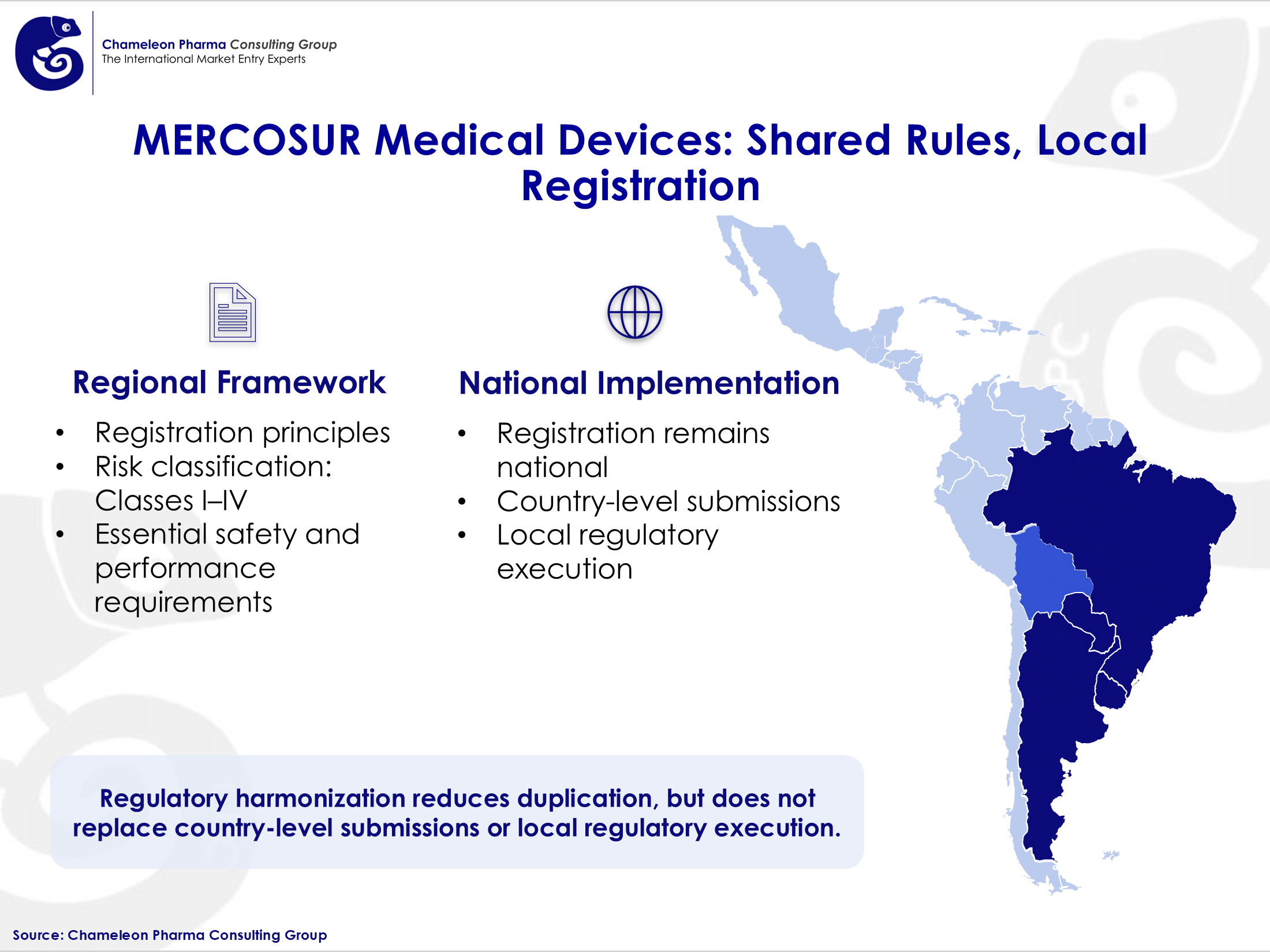
Figure 1: MERCOSUR Medical Devices: Regional Framework and National Implementation
What Can Be Coordinated Regionally?
For manufacturers and LATAM expansion teams, several workstreams can be prepared as a regional core:
- Dossier: Technical documentation, product description, intended use and safety/performance evidence can be structured centrally, with national gaps addressed before submission.
- Labeling: Core product and safety information can be coordinated, while language, local registration details and country-specific mandatory information require local checks.
- Representation: Manufacturer documentation can be standardized, but the local registration holder, importer or representative model must be confirmed by country.
- Surveillance: One regional post-market framework can support internal processes, while reporting routes and national authority requirements still need country-level confirmation.
MERCOSUR also maintains a regional mechanism for exchanging information on serious adverse events involving Medical Devices.
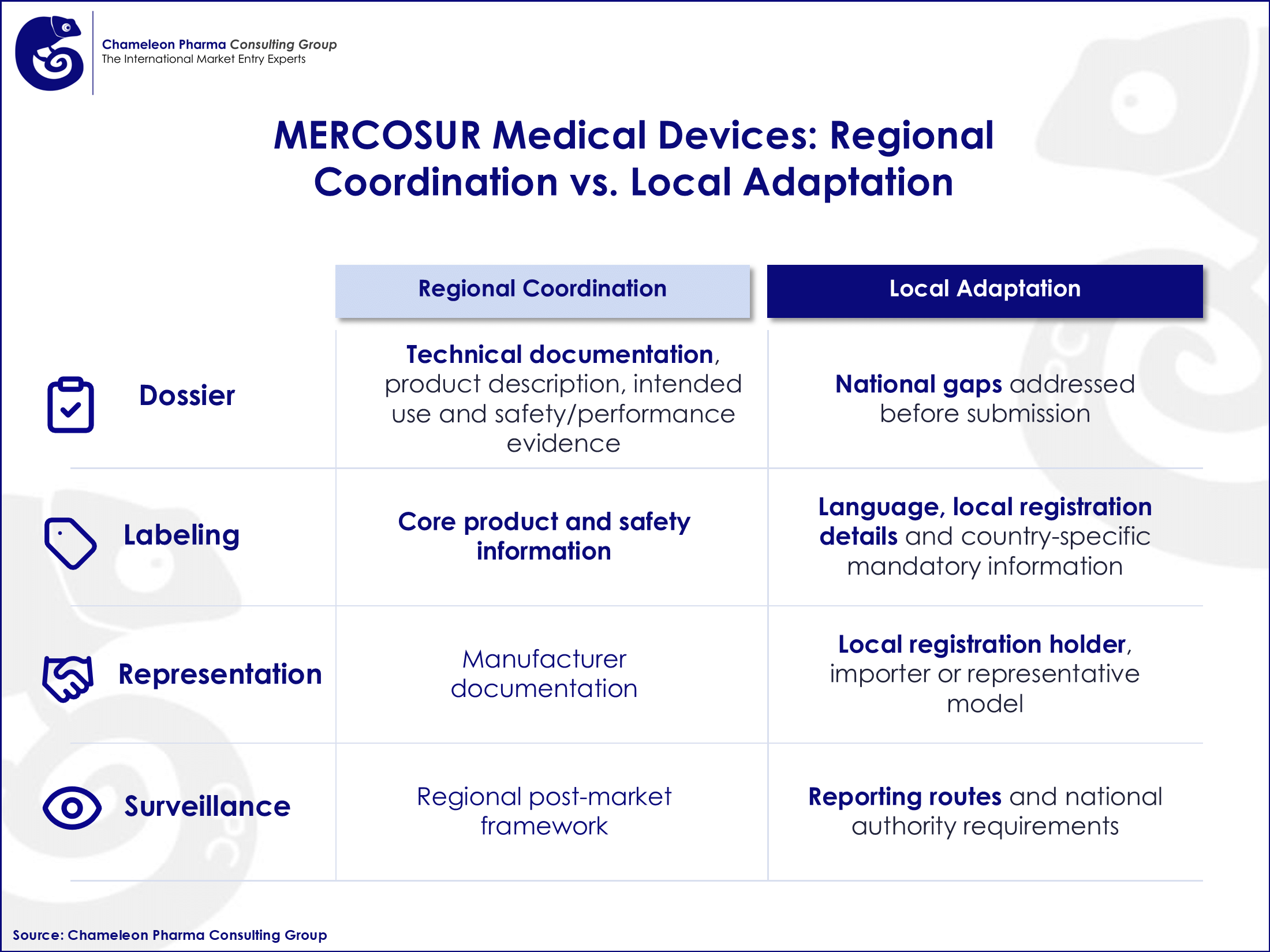
Figure 2: MERCOSUR Medical Devices: Regional Harmonization vs. Local Requirements
IVD Regulation LATAM: Local Implementation Still Matters
The same principle applies to IVD regulation in LATAM. MERCOSUR has a common IVD registration regulation, but implementation is not yet uniform. The official MERCOSUR record lists Argentina, Paraguay and Uruguay as incorporated, while Brazil remains listed as not incorporated. However, Brazil has its own national IVD requirements covering classification, registration and labeling.
This makes a country-by-country regulatory gap analysis especially important for IVD portfolios.
Regional Harmonization Still Needs Local Execution
A practical market-entry model is therefore to build one reusable MERCOSUR regulatory core and add national adaptations for registration, labeling, representation and surveillance.
This approach can reduce duplicate preparation while keeping local requirements visible before launch.
How can CPC support you?
Chameleon Pharma Consulting Group (CPC) has over 20 years of experience in supporting Pharma, OTC, Medical Devices, Phyto, and Aesthetic Medicine companies. Having established own offices & local hubs across Latin America, Europe, Asia, the US/Canada, the Middle East, and the CEE/CIS regions is another advantage of CPC. With this local network and expertise gained from 300+ international projects and a team of 25 experts we offer our clients:
- Market Entry & Expansion: Systematic product and country analysis, market reports
- Strategic Partnering: Identifying local partners, acquisitions, or setting up own offices
- Regulatory & Registration: for drugs, MD, Derma, Aesthetic Medicine, etc.
- Market Authorization & Compliance: Holding MAs, conducting pharmacovigilance
- Quality & Certification: GMP certification, pre-GMP audits
- Business Development, M&A, and Due Diligence
Contact us today for your individual request at service@chameleon-pharma.com!